
Digital Gate Locks Explained: What They Are, How They Work & Which Type Is Right for You
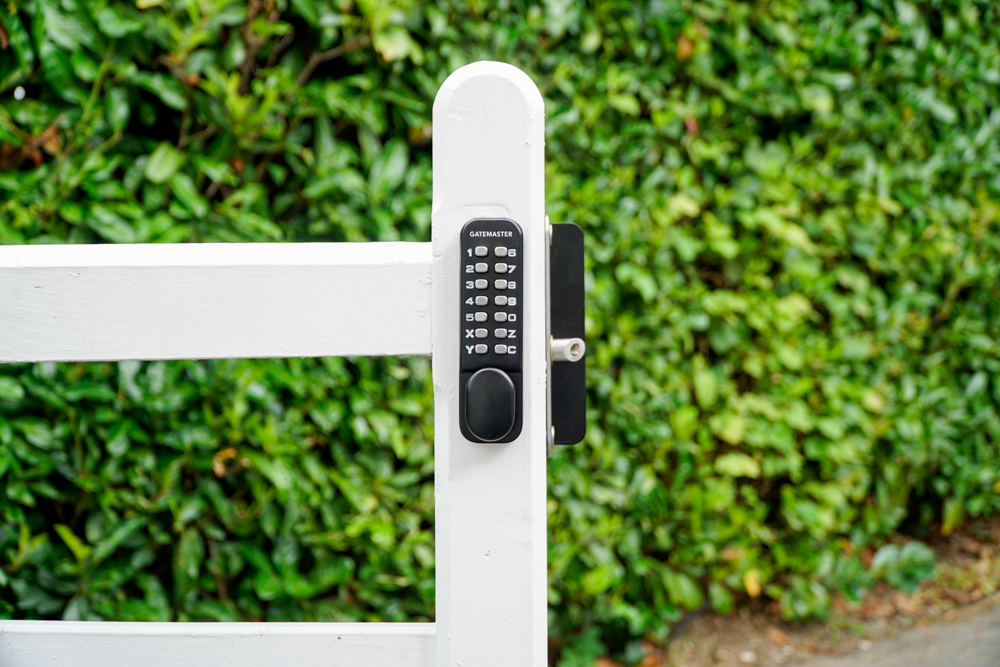
“Digital Gate Lock”: What Does It Actually Mean?
When people hear the term “digital gate lock,” they often think of smart locks, apps or battery-powered electronic keypads. However, the term digital was originally used to distinguish code-operated locks, where users enter a combination using buttons or digits, from traditional locks operated with a key.
This means a digital gate lock does not have to be electronic. Mechanical digital locks use a code for access while operating through a fully mechanical locking system, with no batteries or electrical power required.
For outdoor gates, mechanical digital locks provide the convenience of keyless access without wiring, apps, Wi-Fi or external power. This makes them a practical, low-maintenance choice for reliable gate access.
Types of Digital Gate Locks
Mechanical Code Gate Locks
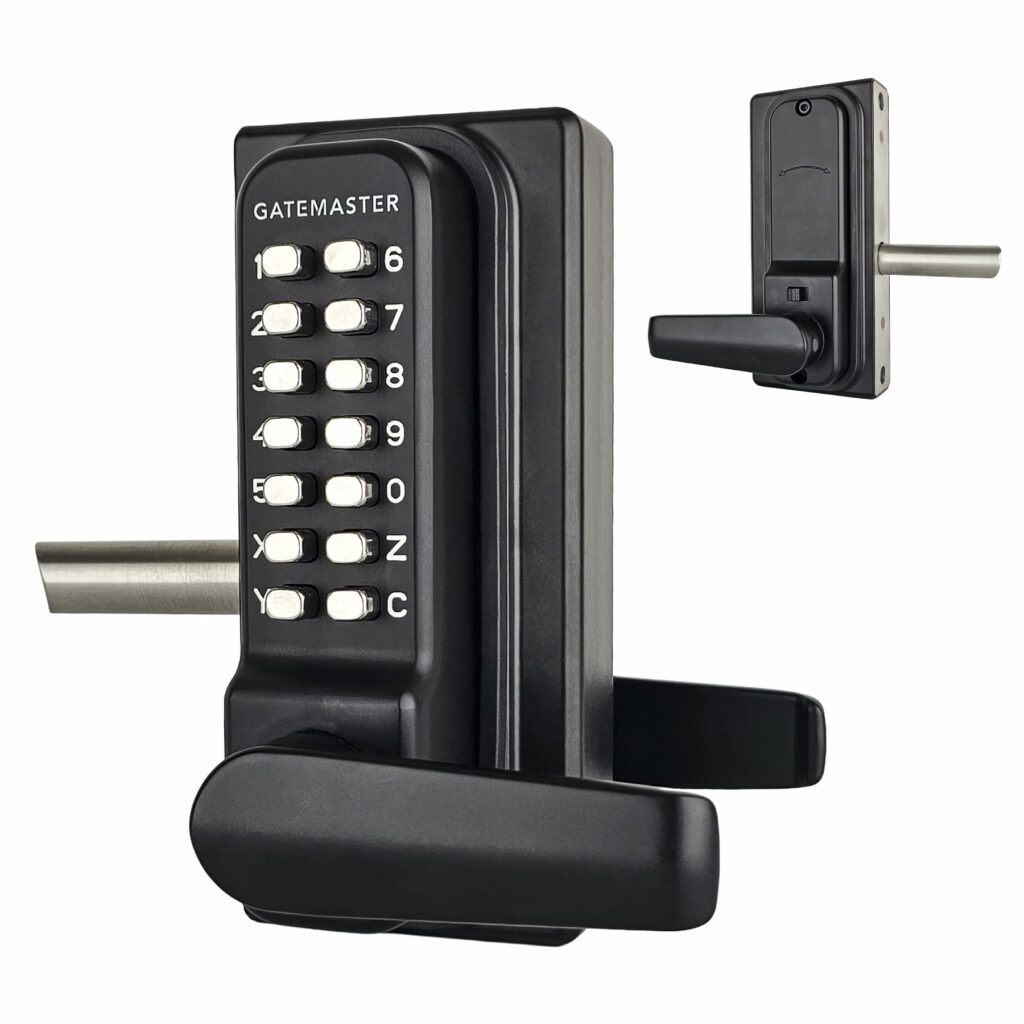
Mechanical digital gate locks use a keypad and internal mechanical components to grant access when the correct code is entered. They do not require batteries, electricity, wiring, or internet connectivity.
Because they operate independently of power, mechanical digital locks are often chose for outdoor gates where reliability and low maintenance are important. They provide the convenience of keyless entry while retaining the simplicity and durability of a mechanical locking system.

Electronic Gate Locks
Electronic keypad locks also use a code for access but rely on batteries or an external power supply to operate. When the correct code is entered, an electronic mechanism releases the lock. You can also get electronic gate locks which operate through fob access.
These locks can offer additional features such as multiple user codes and timed access, but they require ongoing battery maintenance and may need backup access methods in the event of power or battery failure.
Smart Gate Locks
Smart gate locks are a relatively new development in gate security and, compared with mechanical and electronic keypad locks, there are currently fewer options available from established gate lock manufacturers.
These locks typically use Bluetooth, Wi-Fi or an app to provide additional access control features. Depending on the product, users may be able to unlock a gate remotely, manage permissions or monitor access activity from a smartphone.
While smart technology is becoming increasingly common in door security, its use on outdoor gates is still developing. Gates present different challenges to doors, including greater exposure to rain, dirt and changing temperatures, as well as the need to accommodate different gate designs and installation requirements. Smart gate locks also depend on electronic components, software and a reliable power source to operate.
Biometric gate locks, which use features such as fingerprint recognition, are another emerging option. However, relatively few products are designed specifically for outdoor gates, and environmental conditions should be considered when choosing this type of access control.
Which Type of Digital Gate Lock is Best for Outdoor Gates?
The best option depends on your specific needs and reasons for installing the gate lock. If remote management and access control features are important, an electronic or smart lock may be suitable. However, if reliability, weather resistance, and low maintenance are the main concerns, many gate owners opt for a mechanical gate lock instead.
Mechanical digital locks are well suited for outdoor gates, particularly when the lock has been designed for external use.
Outdoor gates are exposed to changing weather conditions throughout the year, such as rain, heat, dirt and moisture. Electronic locks can be affected by water ingress, temperature changes, or battery performance, especially if they are not designed specifically for external environments.
A mechanical digital gate lock avoids many of these concerns because it does not rely on sensitive electronics to operate. This makes it a dependable choice for residential gates, side gates, commercial entrances, schools, clubs and industrial sites.
By providing keyless access without batteries, electronics, or connectivity requirements, mechanical digital locks offer a straightforward and dependable solution for outdoor gate security.
Why Choose a Mechanical Digital Gate Lock?
A mechanical digital gate lock gives you the convenience of keyless access without the dependency on batteries or electronics. If power goes out, mechanical digital gate locks still continue to operate as normal, whereas electrical/smart gate locks will stop working until power comes back on.
There are no keys to hand out, lose, or replace. Instead, authorised users can enter using a code, making access simpler for families, staff, visitors, contractors, or members of a shared facility.
Because the lock is mechanical, it is also low maintenance. here is no need to schedule battery changes, manager app settings, or troubleshoot connection issues. For many gate applications, this balance of simplicity and convenience is exactly what is needed.
Changing the Code on a Mechanical Digital Gate Lock
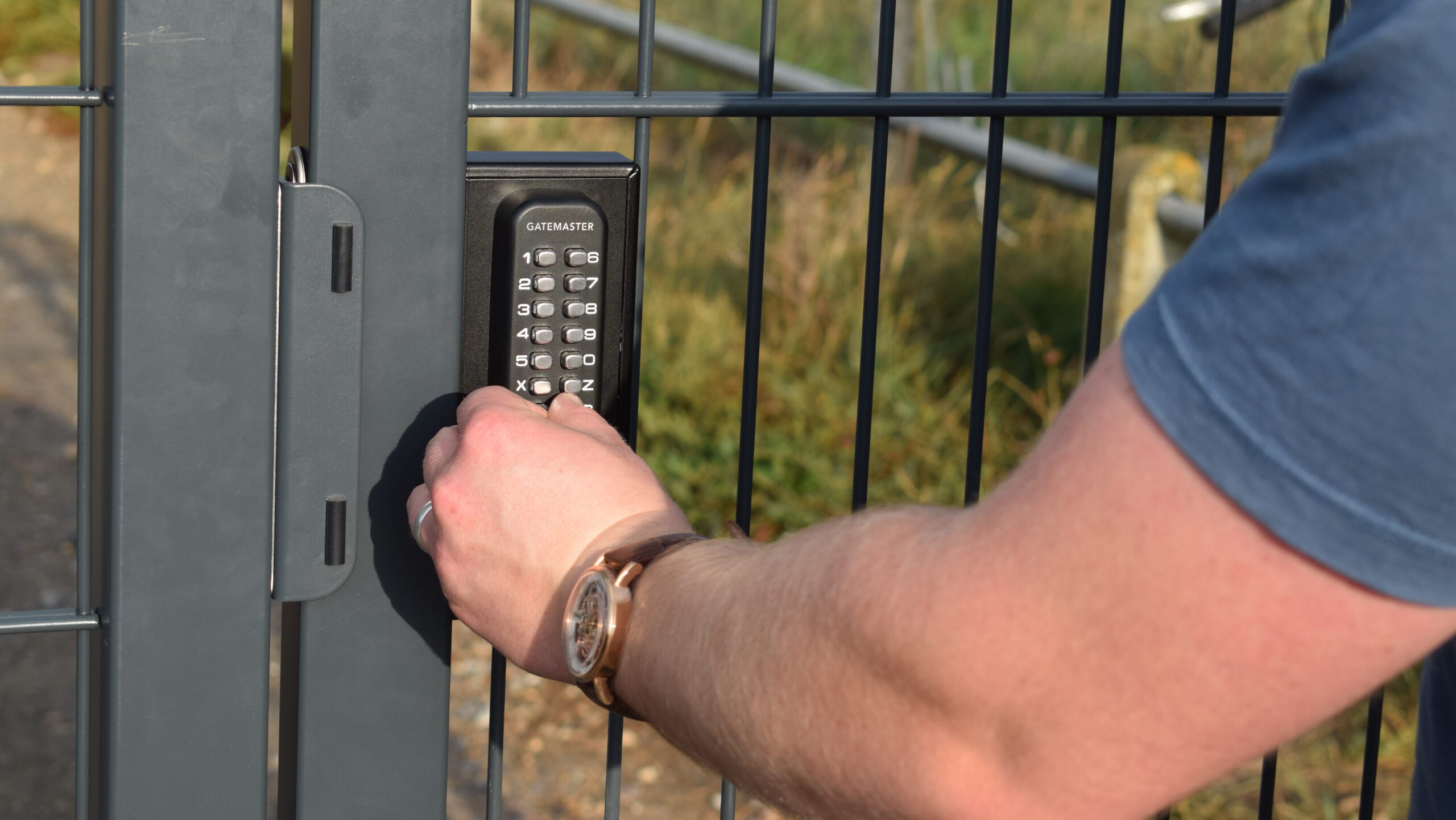
One of the benefits of a mechanical digital gate lock is that access can be managed without having to issue or replace physical keys. If someone should no longer have access, the code can simply be changed.
However, the process for changing a code varies between locks. On many traditional mechanical digital locks, changing the code requires the lock to be removed from the gate or partially dismantled to access the internal coding mechanism. This may be manageable on a residential gate where codes are rarely changed, but it can become inconvenient on busy commercial or shared sites.
For locations where access codes need to be updated regularly, choosing a lock designed for quick code changes can save considerable time.
Faster Code Changes with RapidReset
Gatemaster’s RapidReset mechanical digital gate locks are designed to make changing the access code quicker and easier. Rather than removing or dismantling the lock, the code can be reset while the lock remains fitted to the gate.
This is particularly useful for schools, commercial premises, sports facilities and other shared sites where users may change regularly. Access codes can be updated when required without lengthy maintenance, helping site managers maintain control over who can enter while keeping disruption to a minimum.
RapidReset combines this easier code management with the benefits of a fully mechanical digital gate lock, providing keyless access without batteries, wiring or external power.
Common Myths About Digital Locks
One of the biggest myths is that all digital locks need batteries. This is not true. Mechanical digital locks use a code for entry but do not require electrical power. Another common misconception is that digital locks stop working during power cuts. This only applies to locks that rely on electricity, so a mechanical digital gate lock continues to work as normal.
People often assume that digital means smart. While smart locks are digital, not every digital lock requires Wi-Fi, Bluetooth or app control. In many cases, a simple mechanical keypad lock is the more practical choice.
Choosing the Right Digital Gate Lock
A digital gate lock doesn’t have to be electronic. It simply means the lock is opened using a code rather than a key.
For outdoor gates, mechanical code locks offer a practical combination of convenience, durability, and dependable performance. They provide secure keyless access without batteries, wiring or external power, making them a reliable choice for homes, businesses and industrial sites alike.
If you’re looking for a straightforward gate security solution that’s built to last, a mechanical digital gate lock, such as the Superlock 2.0 RapidReset, offers reliable performance with minimal maintenance.
Explore our RapidReset range with our product booklet found here.


