
High-Security Gate Locks: How are they rated?
What are high-security gate locks?
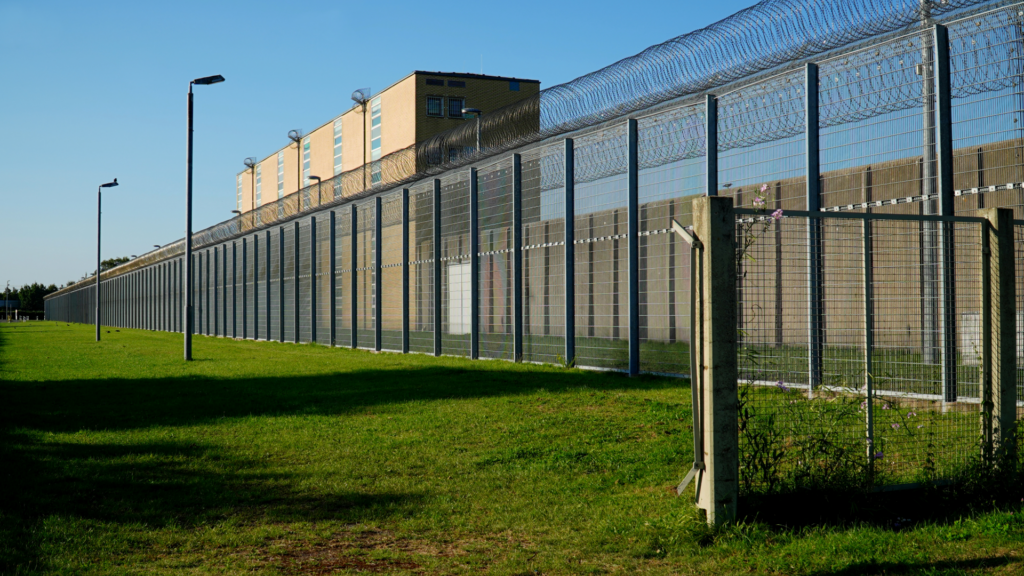
High-security gate locks are expected to deliver physical strength, attack resistance and long-term reliability in outdoor environments. They are designed not only to withstand day-to-day use but also to protect access points that may be exposed to forced entry, tampering, tool attacks, and harsh outdoor conditions.
Gates are often the first line of defence on a site perimeter, so the lock plays a critical role in maintaining the overall security of the access point.
Where are high-security gate locks used?
High-security gate locks are used wherever a site needs to control access through a perimeter gate rather than a standard door. In practice, that means they are common on commercial and industrial premises, warehouses and logistics yards, utilities, public sector sites, data centres, and other critical infrastructure locations. Each sector may have its own security requirements or risk profile, which influences the required level of protection.
The higher the risk of forced entry or unauthorised access, the more likely a high-security gate lock is needed.
Why ratings matter for high-security gate locks?
A high-security gate lock plays a crucial part in the perimeter security system. Many products may appear robust, but without credible third-party testing, it is difficult to objectively compare their real security performance.
Security ratings provide a clearer way to judge whether a product has been assessed against a recognised attack standard, and whether it is suitable for the level of risk involved.
For specifiers, consultants, and security professionals, these certifications provide confidence that a product can withstand the level of threat expected in its environment
How are high-security gate locks rated?
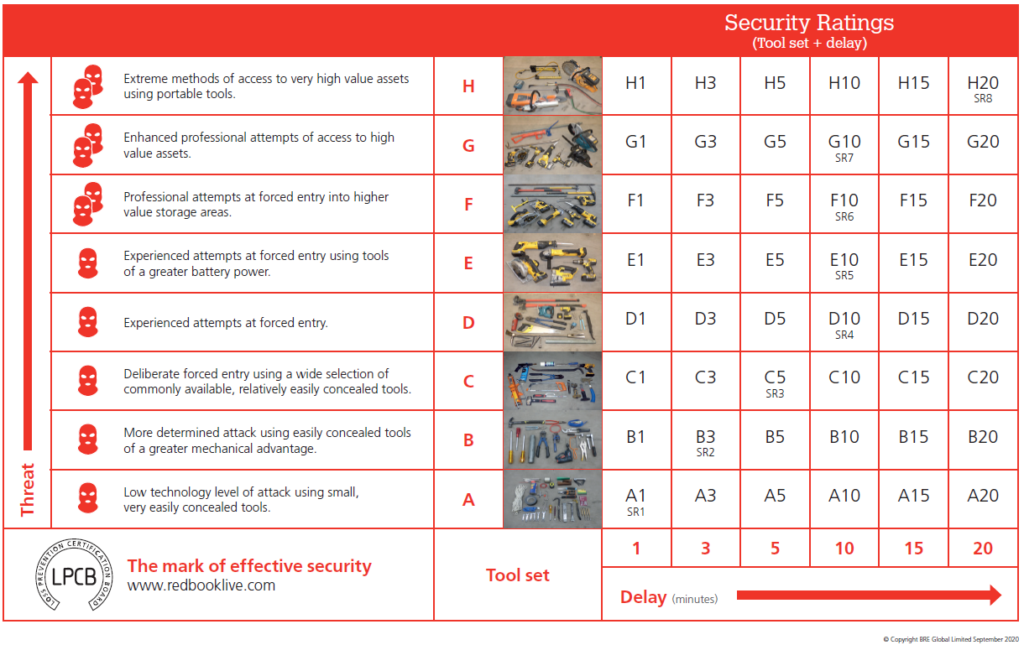
For high-security gates in the UK, one of the most important benchmarks is LPS 1175. LPS stands for ‘Loss Prevention Standard’, and certifications are issued by the ‘Loss Prevention Certification Board’ (LPCB).
The standard is used to evaluate resistance to unauthorised access for intruder-resistant building components, strongpoints, security enclosures and free-standing barriers. It is widely used across perimeter security products such as gates, fencing and related protective systems.
Under LPS 1175 ISSUE 8, ratings are expressed in a two-part format:
- a letter, which shows the tool set or threat level
- a number, which shows the delay time achieved in testing
LPCB’s published guidance explains that Issue 8 ratings take the format tool set A to H, plus a delay time of 1, 3, 5, 10, 15 or 20 minutes. The higher the letter, the greater the threat level and the higher the number, the longer the tested delay. This matrix allows products to be tested against realistic attack scenarios, ranging from opportunistic attacks using basic tools to determined attacks using power tools.
When a gate is certified, the certification covers the complete tested system, including the specific locking hardware listed on the gate’s certificate. This is because the lock plays a critical role in the overall security performance of the gate and helps ensure the product achieves the rating it has been tested and certified to meet.
Are high-security gates with gate locks still rated from SR1-SR8?
Several high-security gates will still have a certification under LPS 1175 issue 7, which used a simpler, linear SR1-SR8 rating where higher numbers meant more time and stronger tools used.
LPS 1175 Issue 8 uses a matrix system that separates threat level from delay time, giving a more detailed picture of performance. It also reflects modern attack methods more accurately by expanding the range of tools used in testing, including battery-powered tools, chainsaws, circular saws, and high-force jacks. This recognises the fact that powerful portable tools are now more widely available and more likely to be used in real-world attack scenarios.
Issue 8 also allows for shorter, more realistic test durations in situations where an attacker is unlikely to remain on site for long, while still including longer-duration tests for higher-security environments. In addition, it can better reflect the threat posed by multiple attackers, including more organised or determined attacks.
Both issues are still recognised worldwide; however, Issue 8 provides a more comprehensive assessment of modern attack methods.
Why LPS 1175 certification matters for gate locks?
LPS 1175 is often specified for high-security gates used in data centres, critical infrastructure, government sites, and other higher-risk environments.
These environments often protect valuable assets, sensitive information, and critical operations, making robust perimeter security especially important. In these applications, independently certified security ratings ensure that perimeter components such as gates and the gate lock meet recognised standards for attack resistance.
For more information on LPS 1175, please visit: https://lpcb.com/.
Do gate locks and gates always need to be security-rated?
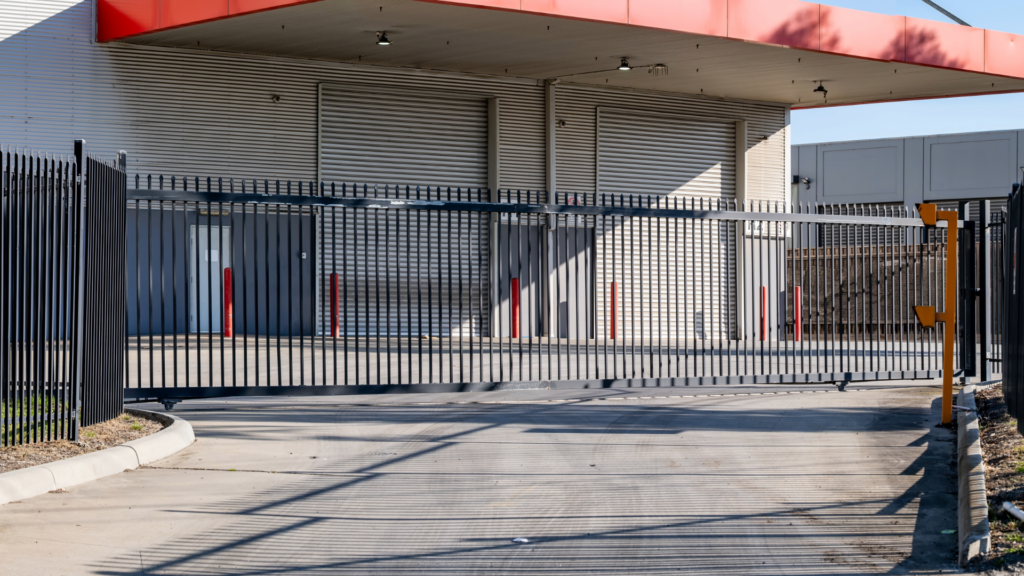
Not necessarily. Gate locks can’t have a rating on their own, but they are rated as a whole security system together with the gate. A security rating can be important in higher-risk environments, but not every gate needs to be individually rated to be effective.
In perimeter security, the lock is only one part of the overall system. The gate, posts, hinges, fixings, fence line, and surrounding structure all affect how secure the entrance really is. A lock may be strong, but if the gate can be lifted, the post can be moved, or the surrounding fence is weak, the overall security of the entrance is limited.
That is why many security ratings apply to a complete gate or fencing system rather than to the lock alone. In real-world use, the performance of the lock cannot be separated from the strength of the gate assembly it is fitted to.
For many sites, the right question is not simply whether the lock has a rating, but whether the full gate system provides the level of protection required for the application.
Can gate locks have a rating on their own?
Unlike a door lock fitted into a fixed door set, a gate lock works within a more variable structure. The design of the gate, the rigidity of the frame, the quality of installation, and the strength of the posts can all influence the outcome under attack. Because of this, testing the lock on its own does not always reflect the real level of security provided on site.
A standalone lock rating can still show that a product has been tested for certain types of attack resistance. However, it does not automatically mean the full gate will achieve the same level of protection once installed.
This is why specifiers and installers should consider the complete gate and fence system, not just the lock in isolation. A well-engineered security gate lock can play a critical role, but it should always be supported by a gate structure that is equally robust.
Why does this matter when choosing a high-security gate lock?
When comparing types of security gate locks, it is easy to focus only on whether a product carries a certification. But in many perimeter applications, the real measure of security comes from how the lock performs within the wider system.
A high-security gate lock should be strong, reliable, and suited to the gate it is protecting. For metal gates in particular, the best result comes from combining quality hardware with a properly designed and installed gate structure.
In other words, security locks for metal gates should not be judged on the lock body alone. The surrounding gate system matters just as much.
What should buyers look for in a high-security gate lock?
When choosing a high-security gate lock, buyers should look beyond appearance and focus on how the lock will perform in real conditions. A product may look heavy-duty, but the real question is whether it is suitable for the gate, the site, and the level of risk involved.
Build Quality & Outdoor Performance
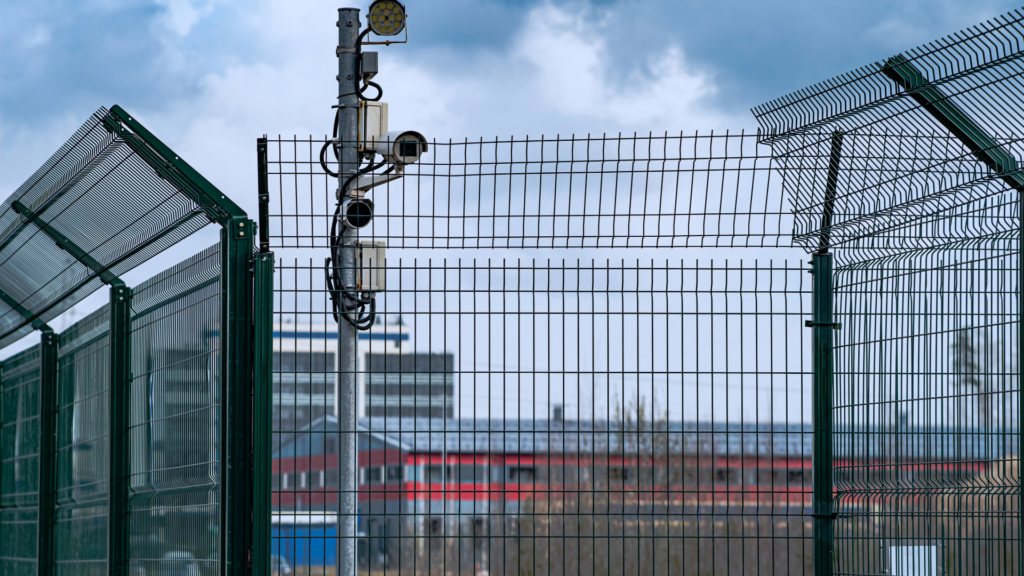
One of the first things to consider is build quality. A security gate lock should be made from durable materials and designed to withstand repeated use, harsh weather, and attempted tampering. Outdoor performance matters just as much as strength, especially on exposed gates where corrosion, dirt, and moisture can affect reliability over time.
Buyers should also consider how well the lock works with the gate itself. This is especially important with security locks for metal gates, where the profile, frame strength, fixing method, and alignment all influence performance. A strong lock fitted to a flexible or poorly designed gate will not provide the level of protection expected.
Lock Mechanism
The locking mechanism is another key factor. Buyers should look for features that improve resistance to forced entry, such as a robust latch or deadlocking function, secure fixing points, and a strong keep arrangement. Ease of installation and adjustment can also be important, particularly where installers need a solution that is both secure and practical to fit.
Testing and Certification
Where relevant, buyers may also want to consider whether the product has been independently tested or forms part of a wider rated gate system. However, as with other types of security gate locks, a rating should be seen as one part of the decision, not the only one. The overall performance of the gate assembly remains just as important as the lock itself.
Ultimately, the best choice is a lock that combines strength, reliability, and compatibility with the wider gate system. A high-security gate lock should not only resist attack, but also work effectively as part of a well-designed perimeter entrance.
A High-Security Gate Lock Should Be Seen as a Part of a Wider Gate Security System
High-security gate locks are designed to protect perimeter access points against attack, tampering, and forced entry. But their value is not just in how solid they look or how they are described. What really matters is how they have been tested and rated. Standards such as LPS 1175 provide a reliable way to measure and compare products based on their resistance to real-world attack methods.
A high-security gate lock should always be seen as a part of a wider gate security system, working alongside gates, fencing, access control, and monitoring systems. By choosing products with recognised certifications, specifiers and security professionals can make more informed decisions and ensure that perimeter access points are protected against the level of threat a site may face.
Gatemaster’s range of high-security locks is currently undergoing development and testing. Please enquire for more information.
