
Deadlock, Keylatch or Latch Deadlock: Gate Key Lock Types Explained
Choosing the right gate key lock is not simply about whether the gate can be locked. You also need to think about what you want the gate to do each time it closes.
Deadlocks, keylatches and latch deadlocks all provide key-operated security, but the way they work in everyday use is very different.
Understanding these differences makes it much easier to choose the right lock for your gate and the level of access control you need.
What Are the Main Types of Gate Key Locks?
When comparing different types of lock gates can use, the easiest place to start is with what happens when the gate closes.
There are three main options covered in this guide:
| Lock type | Latches when the gate shuts | Locks when the gate shuts | Key needed to secure the gate |
|---|---|---|---|
| Deadlock | No | No | Yes |
| Keylatch | Yes | Yes | No – it is already locked |
| Latch Deadlock | Yes | No | Yes |
Although all three are keyed gate locks, their differences make each type better suited to different applications.
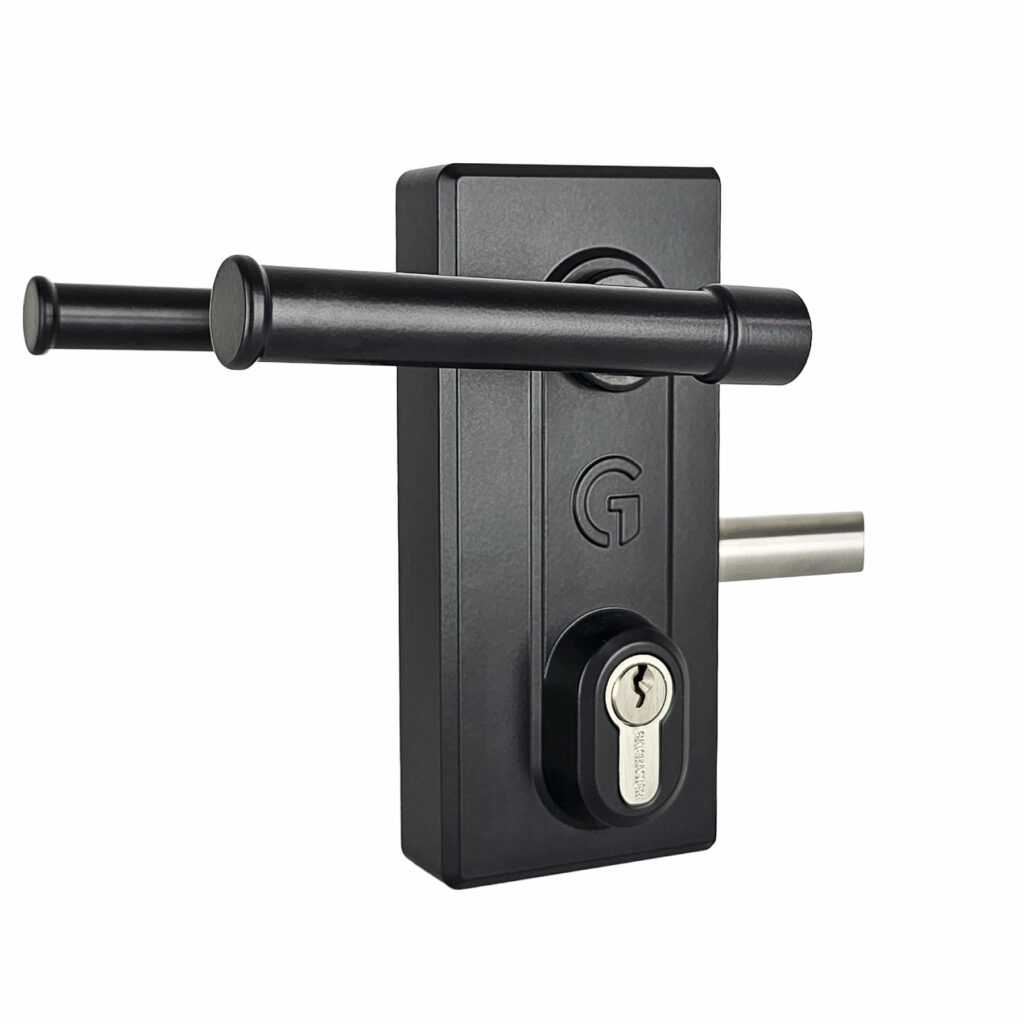
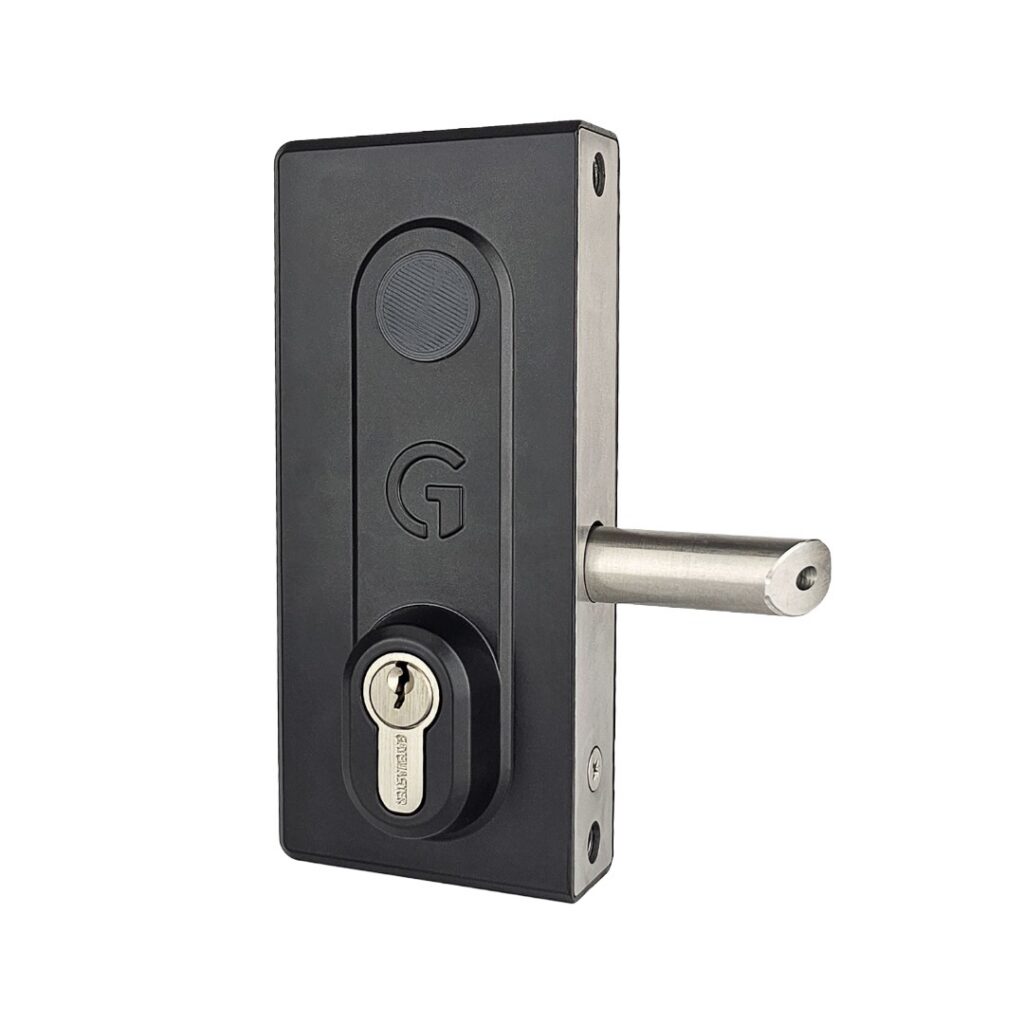
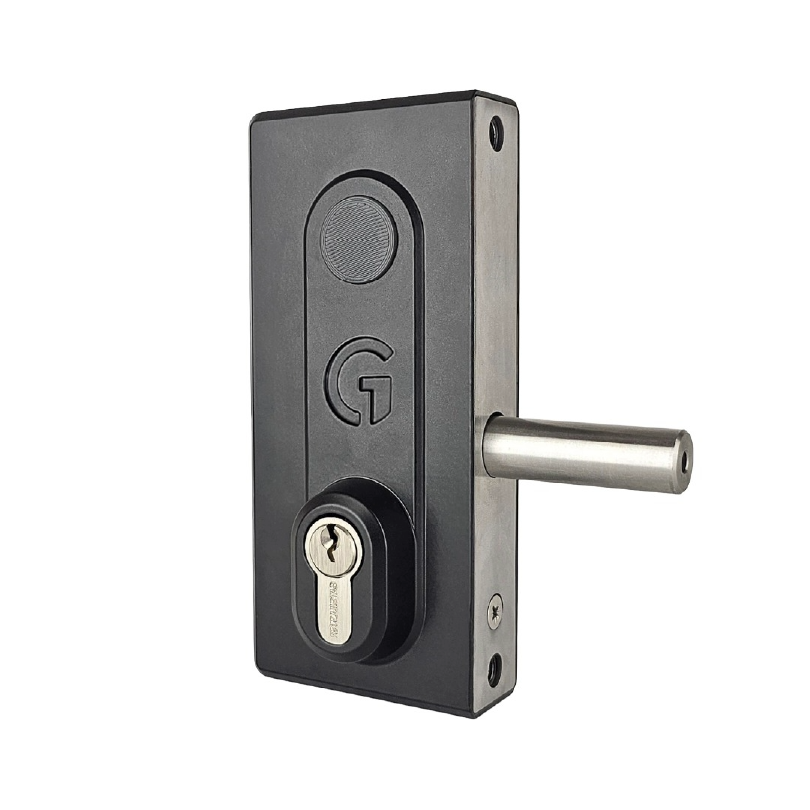
What is a Gate Deadlock?
A gate deadlock is the simplest option and provides straightforward, deliberate key-operated security.
Closing the gate does not automatically latch or lock it. To secure the gate, the user must insert the key and engage the deadbolt.
This gives the user complete control over when the gate is locked. For example, a gate can remain unlocked during periods of frequent use and then be secured with the key when necessary.
A gate deadlock therefore, is a practical choice when you only want the gate to become locked when somebody deliberately secures it.
When Should You Choose a Deadlock Gate Lock?
A deadlock is particularly well suited to infrequently used gates, where the gate does not need to latch or lock automatically every time it closes.
For example, a secondary access gate, maintenance entrance or storage yard gate may only be opened occasionally. In these situations, the gate can be left unlocked when access is required, then deliberately secured with the key afterwards.
A deadlock can also suit residential side gates or service gates that are normally kept locked and only opened when needed.
Because the user decides exactly when the gate is secured, a deadlock provides a simple and dependable option for gates where frequent access and automatic locking are not required.
What is a Keylatch Gate Lock?
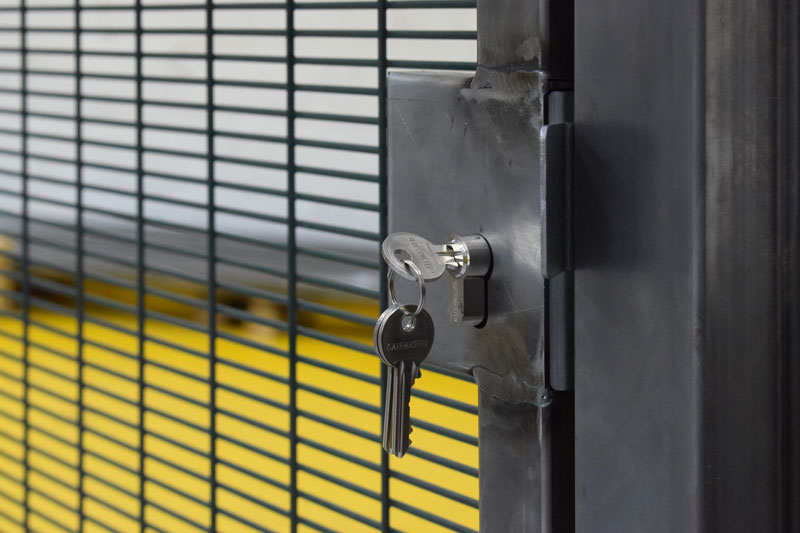
A keylatch gate lock automatically closes and locks when the gate is pushed shut.
As the gate closes, the latch engages with the keep and secures the gate automatically. There is no need to turn the key after closing it or remember to lock the gate separately.
To open the gate again, the user simply unlocks it with the key.
This makes a keylatch a practical option when you want the gate to return to a locked position every time it is closed, providing dependable security without relying on the user to manually secure it.
When Should You Choose a Keylatch Gate Lock?
A keylatch is particularly useful for frequently used gates that need to remain secure between each use.
For example, a commercial yard entrance, communal access gate or residential side gate may be opened several times throughout the day. With a keylatch, users can unlock the gate when they need access and simply push it shut behind them, knowing that it will lock automatically.
It can also be useful on gates used by multiple people, where relying on every user to remember to lock the gate could leave the entrance unsecured.
A keylatch is therefore a good choice when you want key-operated access combined with automatic locking whenever the gate closes.
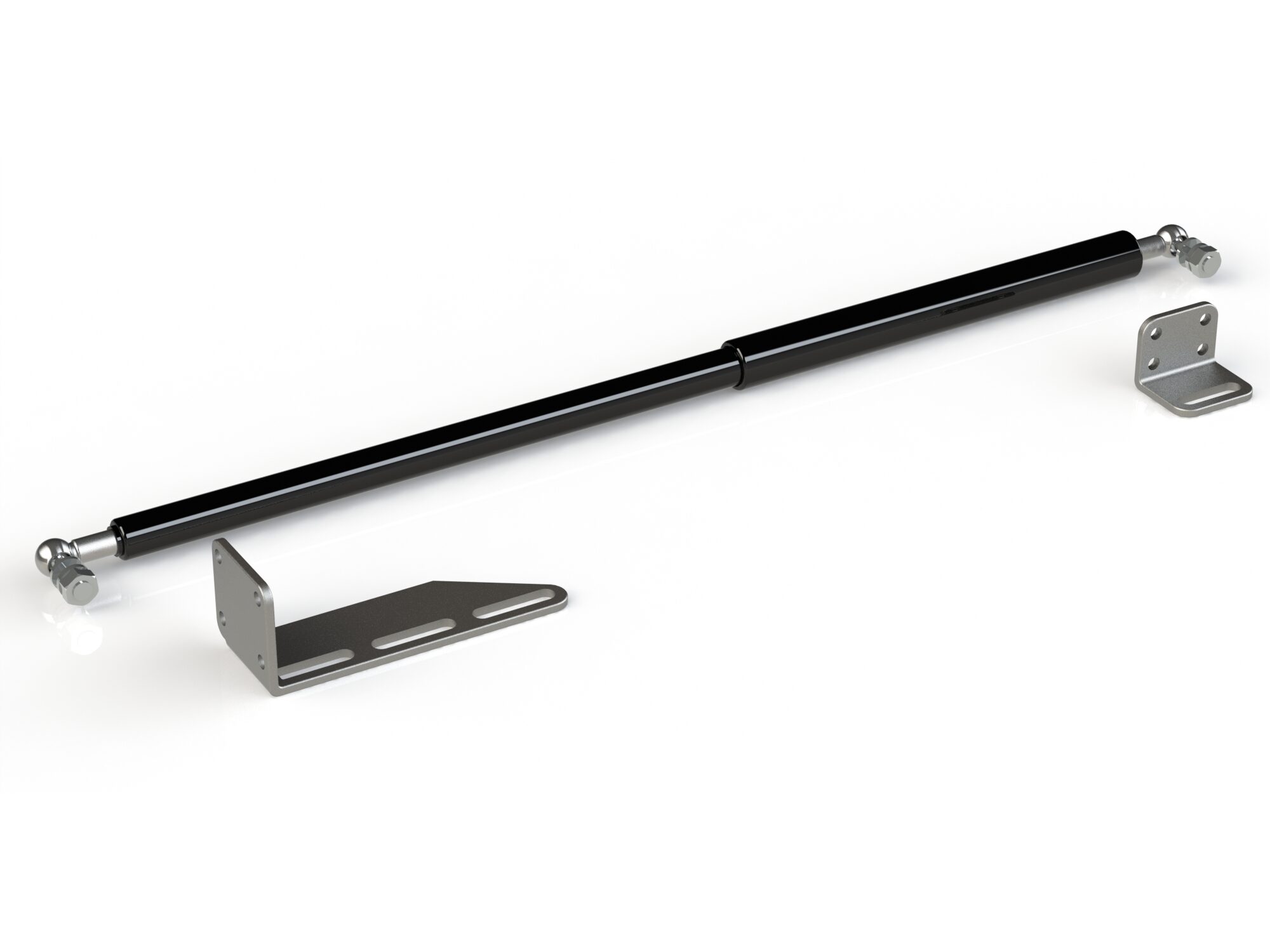
Pairing a Keylatch Lock With a Gate Closer for Improved Security
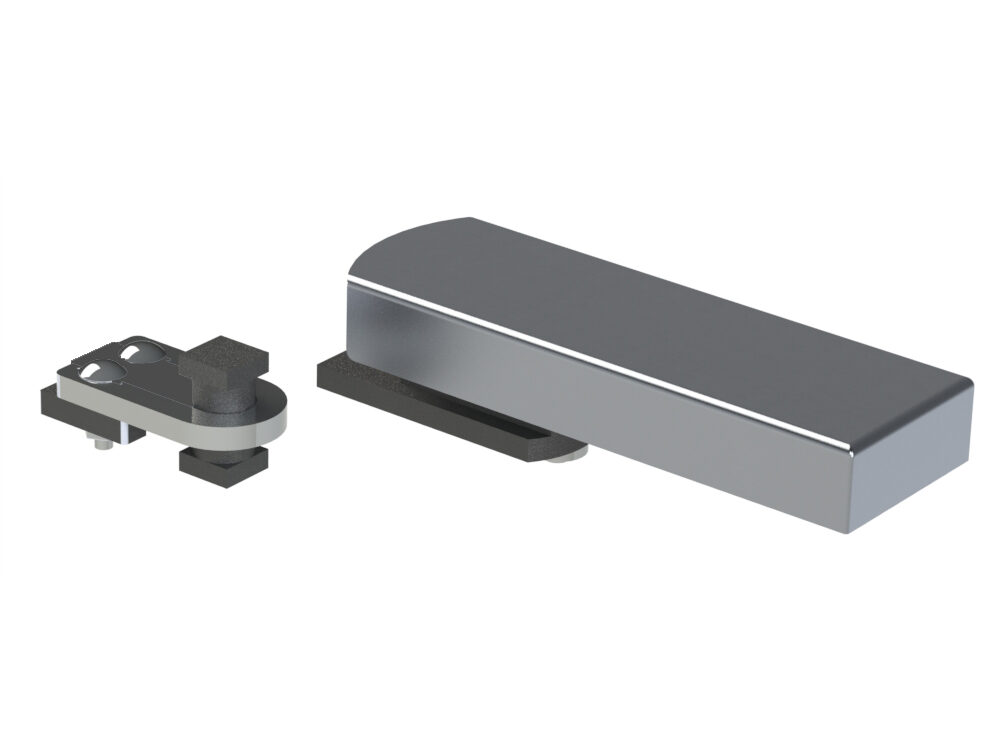
Because a keylatch locks automatically when the gate shuts, pairing it with a gate closer can help ensure the gate returns to the closed and locked position after every use.
For a complete setup, consider combining the keylatch with the Gatemaster GSB Gate Closer or APS Hydraulic Gate Closer, depending on the gate and application. This removes the reliance on users remembering to pull the gate shut behind them.
What is a Latch Deadlock?
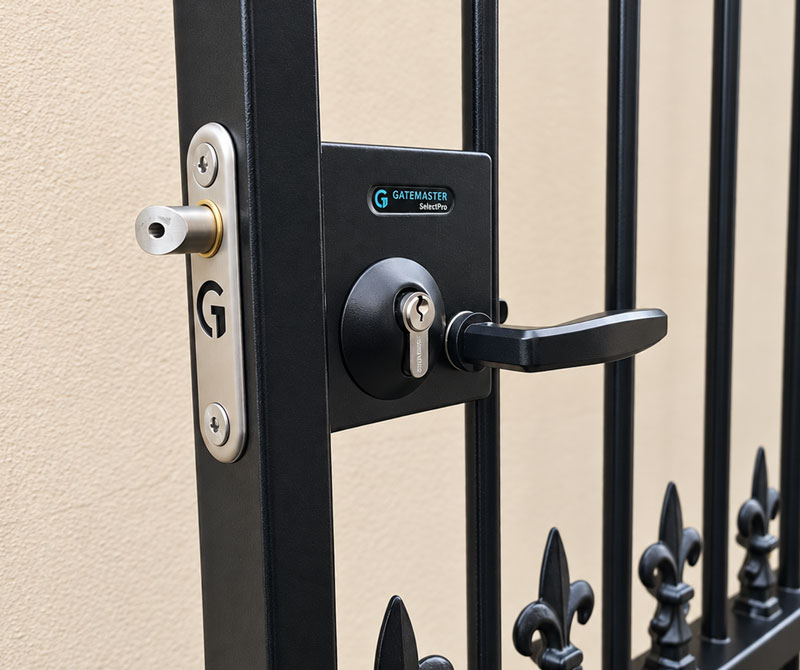
A latch deadlock automatically catches the gate when it closes, but it does not lock it.
As the gate shuts, the latch engages with the keep and holds the gate closed. Because the lock features a handle, the gate can still be opened normally without using a key.
When additional security is required, the user can turn the key to engage the deadlock. Once locked, the handle can no longer be used to open the gate and the lock operates in the same way as a standard deadlock.
This gives you the convenience of a gate that automatically stays closed during everyday use, while still allowing you to choose when it needs to be fully secured.
When is a Latch Deadlock the Right Choice?
A latch deadlock is particularly useful for frequently used gates that need to stay closed without being locked throughout the day.
For example, a residential side gate or garden gate can catch shut after each use, helping prevent it from being left open while still allowing family members to come and go using the handle. It can then be locked with the key overnight or when the property is unattended.
It can also suit workshops, trade yards and commercial premises where staff need regular access during working hours. The gate remains closed between uses without employees having to unlock it each time, then it can be deadlocked when the site closes.
This makes a latch deadlock a practical middle ground between a standard deadlock and a keylatch: automatic latching for everyday convenience, with keyed locking when additional security is needed.
I Want my Gate to Lock Securely from the Outside but Allow Free Exit From the Inside. What Lock Should I Choose?
If you want to control entry from outside while allowing people to leave freely from inside, there are several options depending on your gate type and whether you prefer key or keypad access.
For a metal gate with keyed access, we recommend the Superlock 2.0 Quick-Exit Key Access (BQK). The gate automatically latches when it closes and requires a key to gain access from the outside. From inside, users can operate the quick-exit push pad to leave without needing a key. This makes it useful for commercial premises, secure yards and other applications where entry needs to be restricted without making exit difficult.
For a wooden gate, you can achieve the same controlled-entry principle with a mechanical keypad. The RapidReset Superlatch Code Gate Lock uses a keypad on the outside, while users can operate the latch from inside without entering the code.
Alternatively, the Superlock 2.0 RapidReset Single-Sided Gate Lock provides coded entry from outside with a quick-exit mechanism on the inside. It is surface mounted and purpose-designed for timber gates, making it another practical option where you want to restrict entry while keeping exit straightforward.
All three options are useful where you want secure, controlled access into an area without requiring a key or code to get back out.
Deadlock vs Keylatch vs Latch Deadlock
There is no single lock type that is right for every gate. The best choice depends on what you want to happen after somebody closes it. Once you understand how each lock operates, choosing between them becomes much simpler.
By deciding how you want the gate to behave first, you can quickly narrow down the right gate key lock for the application.
| Lock type | What happens when the gate closes? | What do I need to do next to lock the gate? | Best for: |
|---|---|---|---|
| Keylatch | Latches and locks automatically | Nothing, it is already locked | Best when security matters and you want to ensure the gate locks every time it is closed. |
| Latch deadlock | Latches shut automatically, but doesn’t lock | Use the key if you want to lock the gate | Best for convenience, when you want the gate to catch and open conveniently with the handle, then choose when to fully lock it |
| Deadlock | Nothing latches or locks | Use the key to lock the gate | Best when the gate should only lock when deliberately keyed |
If you want nothing to latch or lock automatically, choose a deadlock. Close the gate and then use the key whenever you want to secure it.
If you want the gate to catch shut but remain unlocked, choose a keylatch. The gate can still be opened with the handle, and you decide when to use the key and lock it.
If you want the gate to latch and lock automatically, choose a latch deadlock. Once the gate closes, it is already secured.
FAQ’s for Gate Locking Types
Does a Gate Deadlock Lock Automatically?
No. A gate deadlock only locks when somebody deliberately operates it with the key.
Closing the gate on its own does not engage the deadlock.
If you require a gate that becomes locked automatically whenever it closes, a latch deadlock is the more appropriate option.
Is a Keylatch the Same as a Deadlock?
No. The main difference is what happens before the lock is secured with the key.
A deadlock does not automatically latch the gate when it closes.
A keylatch does. The latch catches the gate and holds it shut, but the gate remains unlocked and can be opened using the handle until the key is used.
This makes the key latch gate lock useful where you want everyday convenience alongside the ability to secure the gate when required.
What Type of Locking do Gatemaster Keypad Gate Locks Use?
Gatemaster keypad gate locks operate in a similar way to a keylatch. When the gate closes, the latch engages automatically and the gate is secured without somebody needing to manually lock it with a key.
Access is then controlled using the keypad rather than a traditional key. The user enters the correct code to retract the latch and open the gate.
With a single-sided keypad gate lock, the keypad controls access from the outside of the gate. From the inside, users can simply turn the handle to open the gate without entering a code. This makes single-sided keypad locks particularly useful where controlled entry is required but people still need straightforward exit from the secured area.
Double-sided keypad gate locks provide coded access from both sides, making them better suited to applications where access needs to be controlled in both directions.
Like a latch deadlock, the key benefit is that the gate does not rely on somebody remembering to lock it after use. Once it closes, it automatically returns to a secured position.
Choosing the Right Gate Key Lock
There is no single lock type that is right for every gate. The best choice depends on what you want to happen after somebody closes it.
For deliberate, key-operated security, choose a gate deadlock.
For a gate that catches shut but can remain unlocked during normal use, choose a keylatch.
For a gate that needs to latch and lock every time it closes, choose a latch deadlock.
By deciding how you want the gate to behave first, you can quickly narrow down the right gate key lock for the application.
Find the Right Keyed Gate Lock for Your Gate
Gatemaster offers keyed gate locks designed for different gate behaviours, whether you need a straightforward deadlock, the convenience of a keylatch or the automatic security of a latch deadlock.
Start by deciding what should happen when the gate closes, then choose the lock type that gives you the right balance between everyday access and security.
Explore our keyed gate locks

